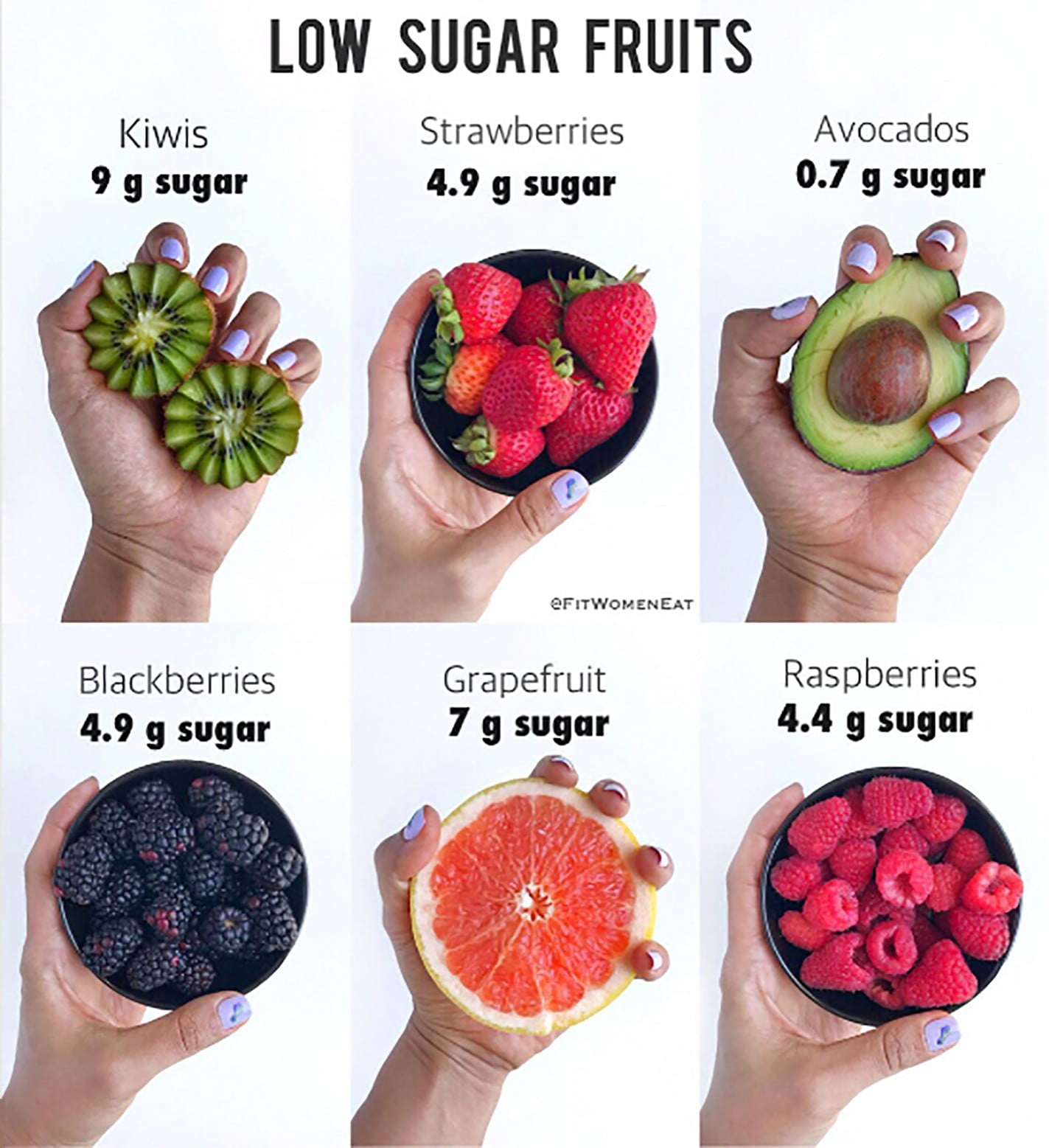
Fruit contains sugar but it is also packed with fiber and other essential nutrients.
By Deborah Murphy, M.S., RDN
Many people consume more sugar than they realize. In fact, most U.S. adults consume as much as 17 teaspoons (68 grams) of added sugar daily. 1 That’s almost three times the American Heart Association’s recommended limit of 6 teaspoons (25 g) of added sugar for women per day and double the 9-teaspoon limit (36 g) set for men. 2 What’s more, excess added sugar is linked to weight gain, type 2 diabetes and heart disease.
Brownies and apples both have sugar, so is all sugar the same? Not really. It’s important to understand the difference between natural and added sugar. Naturally occurring sugars are found naturally in foods such as fruits (fructose and glucose) and milk (lactose). On the other hand, added sugars are added to food during processing.
Although your body processes both types of sugar in the same way, it’s important to consider the whole package. Colette Micko, M.S., RDN, CDES, a registered dietitian from Top Nutrition Coaching, says, “There are many benefits to eating whole, unprocessed fruits and vegetables, which often have a moderate amount of natural sugars. Those benefits include fiber, vitamins, minerals and phytochemicals.” For example, fiber helps slow down digestion, helping prevent high blood sugar spikes. And vitamins, minerals and phytochemicals, such as lycopene found in watermelon, help tame chronic inflammation, support your immune system and reduce your risk of chronic diseases.
Ad Healthy Eating Best Healthy Foods12 Low-Sugar Fruits You Should Be Eating, Recommended by DietitiansFruit contains sugar but it is also packed with fiber and other essential nutrients.By Deborah Murphy, M.S., RDNUpdated on April 8, 2024Reviewed by Dietitian Maria Laura Haddad-Garciaa collage featuring kiwi, papaya, and a strawberryPhoto:Getty ImagesMany people consume more sugar than they realize. In fact, most U.S. adults consume as much as 17 teaspoons (68 grams) of added sugar daily.1 That’s almost three times the American Heart Association’s recommended limit of 6 teaspoons (25 g) of added sugar for women per day and double the 9-teaspoon limit (36 g) set for men.2 What’s more, excess added sugar is linked to weight gain, type 2 diabetes and heart disease.1Brownies and apples both have sugar, so is all sugar the same? Not really. It’s important to understand the difference between natural and added sugar. Naturally occurring sugars are found naturally in foods such as fruits (fructose and glucose) and milk (lactose). On the other hand, added sugars are added to food during processing.Although your body processes both types of sugar in the same way, it’s important to consider the whole package. Colette Micko, M.S., RDN, CDES, a registered dietitian from Top Nutrition Coaching, says, “There are many benefits to eating whole, unprocessed fruits and vegetables, which often have a moderate amount of natural sugars. Those benefits include fiber, vitamins, minerals and phytochemicals.” For example, fiber helps slow down digestion, helping prevent high blood sugar spikes. And vitamins, minerals and phytochemicals, such as lycopene found in watermelon, help tame chronic inflammation, support your immune system and reduce your risk of chronic diseases.Research also supports the health benefits of fruit despite their sugar content. “A recent study found there to be an inverse relationship between consumption of whole fruit and diabetes risk. The more whole fruit consumed (each 300 g/day of whole fruit) reduced risk of developing diabetes. This may seem contrary to what most people think,” says Micko.
However, people with diabetes, for example, may need to consider how much natural sugar a food contains. “Any sugar consumption, whether it is natural or added sugars, contributes to total carbohydrates per day. With this, individuals with diabetes may need to reduce their intake of natural sugars to meet their daily total carbohydrates recommended by their registered dietitian or physician,” says Erika Barrera, M.P.H., RDN, a registered dietitian and wellness educator at Leafe Nutrition.
culled from EatingWell
About The Author