
By Olawale Lamina
Seven daughter vessels ferrying a total of 150 million litres of petrol trapped on the high sea at the Escravos channel, a major oil terminal in the Niger Delta, have been fingered as the reason behind the current fuel scarcity, despite initial alibi by the Nigerian National Petroleum Company Limited, NNPCL, that there was enough product to go round.
The supply chain gap, as we gathered, was based on shortage of daughter vessels to lift sufficient Premium Motor Spirit, PMS, (petroleum products) from the mother vessels to Nigerian jetties and terminals based on the fact that some seven vessels got stuck at Escravos.
Huub Stokman, the managing director of NNPC Retail Limited and chairman of the Major Energy Marketers Association of Nigeria was quoted as saying that, “The supply chain in Nigeria is very fragile at times. It’s very complicated, and there are only small things like bad weather or low tide that need to go wrong to cause some disruption.”
The MD NNPCL Retail explained further that, “Five empty vessels expected to deliver fuel to the Warri area cannot get out of Escravos, while two vessels laden with products are waiting to go through the Escravos channel.
“This has lingered for a couple of days. This means if you have seven vessels carrying 150 million litres of PMS that can’t load again or bring in the next products, we will have disruption in the whole value chain.”
Some players in the industry also explained that,as a result of the current shortage of the daughter vessels, it now takes more days for vessels to make a trip, thereby creating product evacuation and distribution challenge around the xountry.
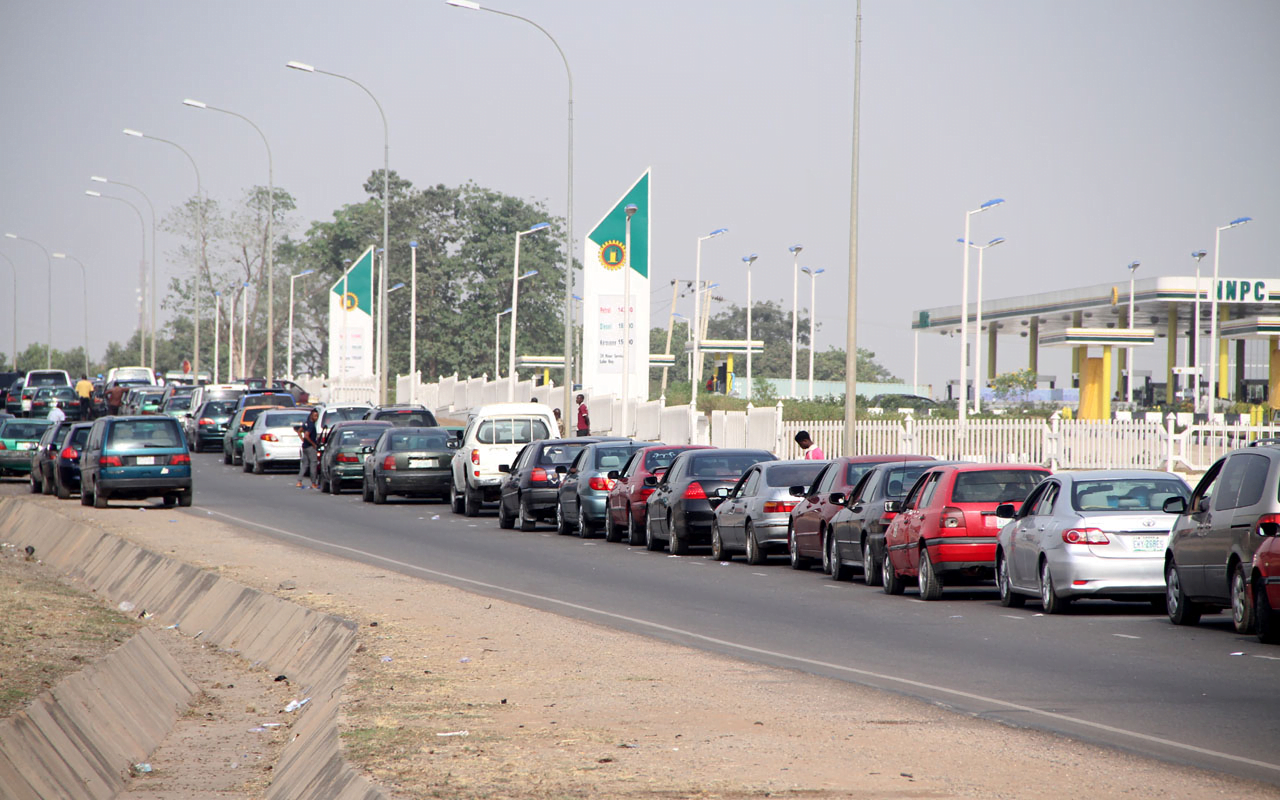
For the second week running, The Pinnacle Times has observed an increase in long queues in some filling stations where the product is being sold to motorists.
Many motorists have had to pay extra beyond the normal price per litre, just as black marketers were seen providing a ready alternative to the queues at the filling stations, though at far higher rates than the normal. In some instances, a litre of fuel sells between N1,100 to N1,200, leaving buyers, including household users no choice than to purchase the product.
Recall that, within a week following the petrol scarcity, the management of NNPCL had claimed that the scarcity challenge was as a result of logistics.
With the latest revelation, it remains to be seen if the incident of scarcity of petroleum products and queues at the filling stations will be over in matter of days.
About The Author







