By Folaranmi Ajayi
Guinea-Bissau has taken a bold step towards disaster preparedness by integrating Disaster Risk Reduction-DRR into its school curriculum.
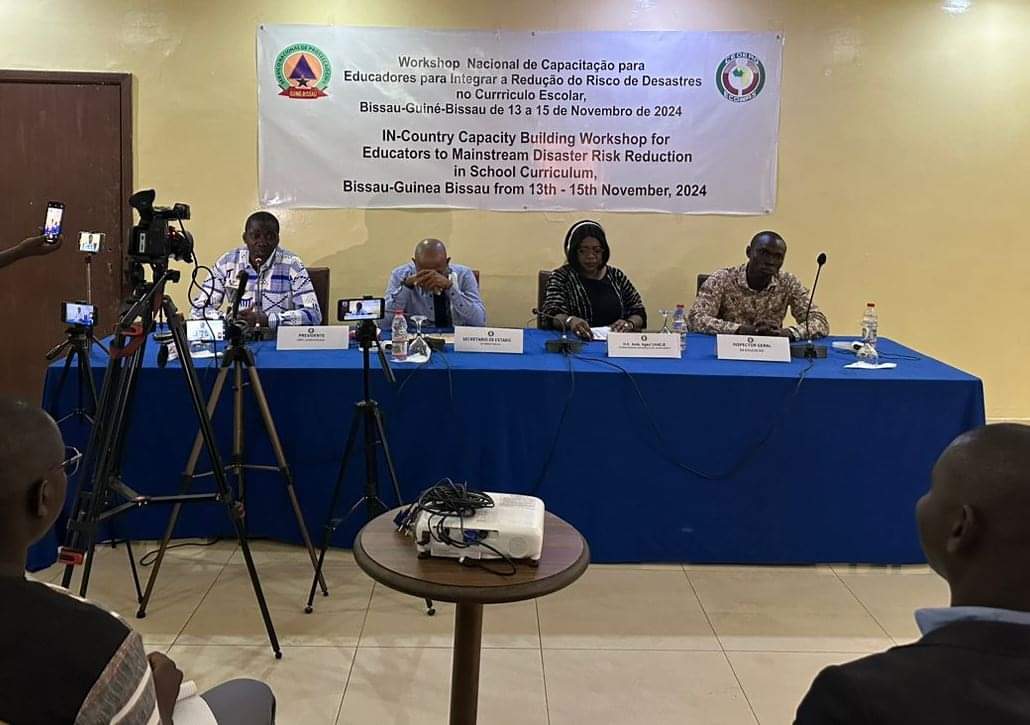
This effort was championed during a three-day national empowerment workshop for educators and teachers, held from November 13 to 15, 2024, at Hotel Dunia in Bissau, and organized by the Economic Community of West African States (ECOWAS).
The workshop, attended by 35 educators from various levels of the education system, aims to empower schools as the first line of defense against natural disasters by fostering resilience among young learners. The initiative also seeks to build a culture of disaster preparedness and response within vulnerable communities.
“This programme is a testament to our belief that education is a powerful tool for disaster resilience,” said Ambassador Ngozi Ukaeje, ECOWAS Resident Representative in Guinea-Bissau. Speaking on behalf of the Commissioner for Human Development and Social Affairs, Ukaeje stressed ECOWAS’ commitment to promoting sustainable development through education.
Guinea-Bissau’s Secretary of State of the Public Order, His Excellency José Carlos Macedo Monteiro, hailed the initiative, calling it a continuation of ECOWAS’ long-standing support for the country. Referring to the $670,902 humanitarian aid provided after the 2022 floods, Monteiro highlighted the need for community-centered disaster training to minimize risks and enhance recovery efforts.
Inspector-General of Education Mamadu Banjai also applauded the collaboration between the Ministry of National Education, the National Civil Protection Agency, and ECOWAS. “Integrating DRR into the curriculum is a proactive step to protect our future generations from the growing risks of natural disasters,” he remarked.
The initiative aligns with international frameworks like the Sendai Framework for Disaster Risk Reduction, which prioritizes education as a critical component of disaster management. By equipping teachers with DRR skills, Guinea-Bissau is not only safeguarding its schools but also fostering a more disaster-resilient society.
With this project, Guinea-Bissau aims to lead by example in the ECOWAS region, showing that a well-prepared education sector can significantly reduce the humanitarian and economic toll of disasters.
About The Author