By Olayiwola Fatai Dolapo
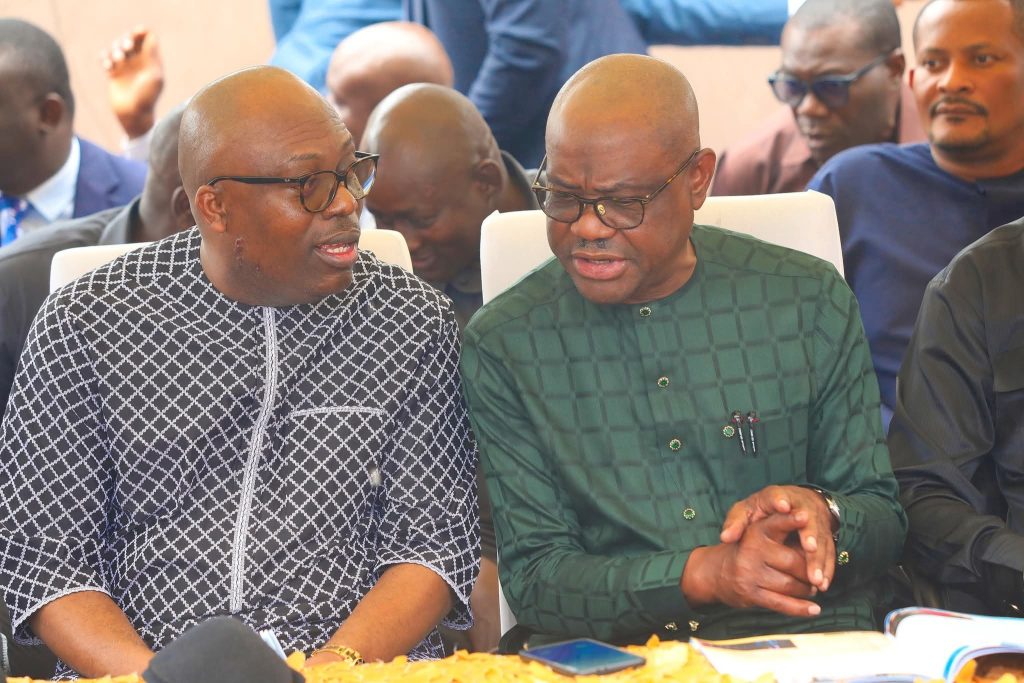
The recent reconciliation between Governor Siminalayi Fubara and FCT Minister Nyesom Wike may appear to signal unity — but as political analysts, we must ask deeper questions: Is this genuine peace, or a temporary truce ahead of 2027 power calculations?
1. The PDP in Rivers State Remains in Fragile Balance
While the handshake may calm the surface, underlying tensions remain. The future of the party’s structure, loyalty, and local influence still hangs in the balance.
2. Wike’s National Influence Is Still Active
Despite losing grip on some state structures, Wike remains a national power broker. This reconciliation may be part of a broader strategy to retain his stake in the 2027 negotiations.
3. Governor Fubara Gains Breathing Space — For Now
Fubara may have chosen peace to protect governance and maintain institutional control. But long-term survival will depend on how he asserts his authority and grows grassroots support.
Reconciliation in politics is necessary — but it must be built on mutual respect, not survival tactics. If power-sharing becomes power-struggling again, Rivers may face another round of internal battles that weaken public trust and development focus.
Who controls the PDP structure in Rivers going forward?
Will this peace hold beyond 2025 when political tickets and alliances form?
How will it affect Wike’s national ambitions or Fubara’s second-term positioning?
Political reconciliation must serve the people — not just the ambitions of men.
The true measure of this peace will be seen in how it empowers Rivers people, stabilises governance, and strengthens democracy.
Until then, this is not a victory.
It’s a political test.
Olayiwola Fatai Dolapo is a
Political Consultant, Conflict and Power Analyst
About The Author