By Louis Akwarandu, Lagos
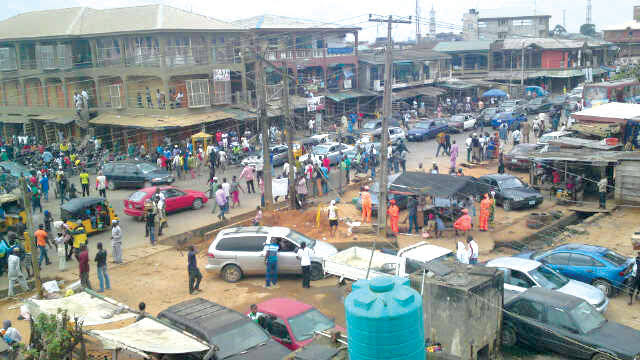
Under the faded canopy of the popular Sabo Market in Ikorodu, Lagos State, a chorus of frustrations echoed as I spoke with market women struggling to make sense of Nigeria’s worsening economic situation.
“₦1,000 now na like ₦200 e no reach anything again,” says Mama Kemi, a pepper and onion seller who has spent over two decades as a trader.
Her lamentation is shared by many: prices are rising, sales are dropping, and the daily hustle now feels heavier than ever.
As part of the The Pinnacle Times investigation into the rising cost of living, our correspondent interviewed some market women in Ikorodu, a Lagos suburb- from Sabo to Agric, in order to understand how inflation is affecting their households and general livelihood.
“We Just Dey Manage”
Madam Esther, a trader who deals on garri and yam flour, explained how her customer base is shrinking:
“People no dey buy in bulk again. Everybody dey price half paint, quarter paint. Even the small ones sef na struggle. So, We Just Dey Manage.”
She used to sell two full bags of garri a week; now she barely finishes one. According to her, prices of basic food items have doubled or tripled within months, and women who once supported extended families are now struggling to feed their own children.
“We Dey Wake, But We No Dey Sleep”
Beyond economic loss, the psychological toll is evident.
“Before, market dey sweet. Now, you dey come market with fear fear say you no go sell, fear say money no go reach house,” said Mrs. Blessing, a fruit seller near Ikorodu Garage.We Dey Wake, But We No Dey Sleep”
The instability in the naira, rising transport fares, and insecurity affecting farmers have all been blamed for the sharp increase in food prices.
For market women in Ikorodu, many of them breadwinners it’s a daily struggle to balance buying, selling, and surviving.
A Cry for Help
Despite their strength, the women are calling on the government for real support not promises.
“We no dey beg for free money, a woman who pleaded anonymity told our correspondent.
She went ahead suggesting that, “Just make dem fix fuel price, help transport people, and bring farm food come town without wahala.”
Their voices and stories are real, direct and urgent. And in the heart of Ikorodu, these market women remain the voice of a nation trying to stay afloat.
About The Author