By Simeon Omame
Social platforms like the Facebook, Twitter, ( now X ) and WhatsApp are among the New Media, otherwise referred to as social media today, where dissemination of information has become easier and users can now connect with target audience across different interests and political leanings seamlessly.
It has become imperative that using the social media for political reasons in Nigeria plays a significant role in political activities. For instance , during the 2023 general elections, social media played a significant role in shaping the political atmosphere of the country.
For instance, in an extrapolitative analysis on the use of social media from the perspective of the obedient movement formed by the supporters of the former Labour Party presidential candidate, Peter Obi, the party deployed the social media in making predictions or projections based on the existing trends in Nigerian political space. Such a movement is capable of drawing attention to specific issues, change narratives and help give voice to the voiceless in the society.
Social media has equally become an avenue or a route where political parties, their candidates and citizens generally now disseminate information, interestingly both fake and credible information.
Updates about the electoral process were not left out as well, this however increased public access to political information through the instrumentality of the social media.
Therefore, social media has become a powerful weapon for political parties and their candidates in Nigerian politics, especially as seen in the last general election held in February 25, 2023.
The social media allowed political parties’ candidates to engage with voters in a wide audience space and shaped public opinion.
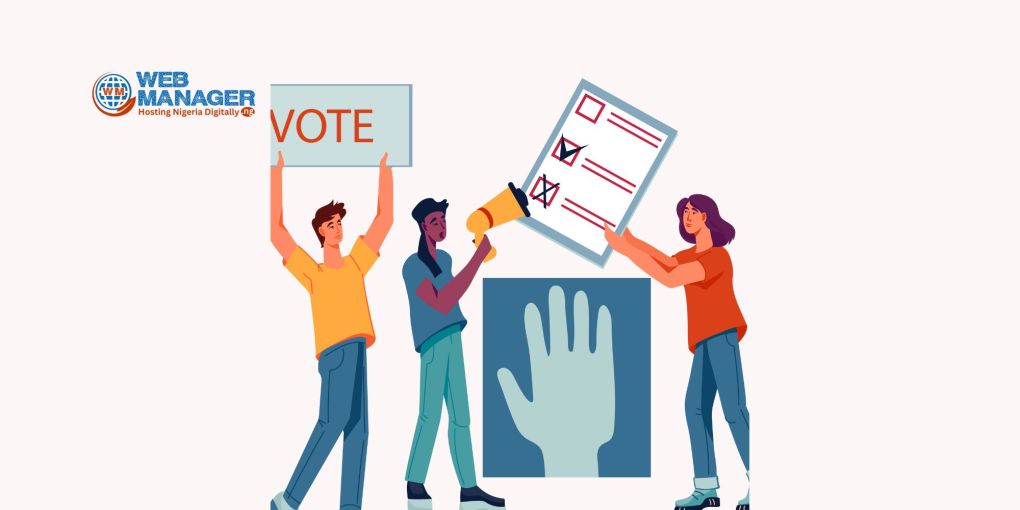
Campaigns were held individually and collectively in mobilization of voters especially the young demographics. Political parties, candidates and supporters took advantage of the social platforms to reach out to their followers and supporters faster in encouraging them to turn out en masse to register and exercise their franchise, according to the constitution.
Campaign strategies were very effective on social media, helping political parties and candidates create fascinating and shareable contents, including well designed graphics, videos and written posts that help interprete their candidates’ visions, policies and achievements to the voting public.
Political parties and their candidates’ use of social media has been taken in to account, helping them to address the concerns of the targeted audience.
Since the introduction of social media platforms, social interaction between members of the public and political stakeholders has witnessed a significant transformation in the political landscape.
Political parties particularly have seen the value of using the platforms in promoting change and gaining competitive advantage among candidates, contenders and their followers.
It is worth acknowledging that the use of propaganda and campaign techniques online have been crucial in gaining support from voters in the political sphere.
Sometimes, social media was extensively used as a battleground for fact-checking and fighting misinformation, just as it has been pointed out that it allowed fake news and other sorts of misinformation to spiral out if control.
The fact checking was carried out by organizations and digital activists who worked and helped counter the spread of fake information during and after the general election. It was established that some of this misinformation may cause voter’s sentiment and lead to civil unrest and hate speech when not effectively handled.
In discussing politics, stakeholders, supporters and candidates made use of social media to engage freely in political debates by sharing their thoughts, expressing their views and holding political leaders accountable, which could have a big influence on the society and, this we can say has helped increase political participations at different levels.
Similarly, citizens both collectively and individually utilized social media in coordinating election monitoring the process in an effort to secure their votes, report irregularities to the necessary authorities and ensure the integrity and transparency of the process.
Overall, social media impacted Nigeria’s political space significantly both in terms of enabling greater political participation and information sharing, while at the same time had been seen to exacerbate the challenge around fake news and misinformation, for want of relevant regulatory framework.
Simeon Omame is a journalist with The Pinnacle Times, wrote in from Nasarawa
About The Author