
“They said, I cannot see somebody who killed my parents, coming back with empowerment, while my parents, whose businesses he destroyed, are still there without assistance. So, it becomes a subject of discussion. But this is a federal government decision, and the police cannot do anything about it.
“The only thing we can do is to protect our own territory and ensure that such repentant people do not find their way into the Nigeria Police. And we are doing everything possible to ensure that not just repented criminals, but also bad boys, we don’t allow them to find their way into the Nigeria police.
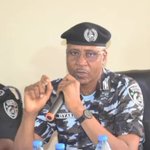
The above were part of declarations by the Deputy Inspector General of Police, DIG, Isyaku Mohammed, who cleared the air on the possibilities of admitting repentant terrorists into the Nigeria Police Force through its recruitment exercise .
The police boss gave the assurance during a stakeholders meeting with officers and men of the Kwara state Police command, traditional institution, religious leaders, transport unions and other relevant groups, in Ilorin.
DIG Mohammed appealed to the stakeholders not to recommend repentant bandits to join security agencies in the country.
The DIG advised community heads, religious leaders, and security chiefs not to append their signatures on recommendation letters, but rather the leaders should identify and expose criminals so that they are not encouraged in the system.
“Traditional rulers and DPOs do sign for those people. And I don’t think they’ll recommend anybody who has been engaged in criminality in the name of “I’ve repented”.
“I was privileged to serve in the North East. The military, in its own wisdom, accepted deradicalised Boko Haram members, reoriented them, and sent them back into society.
“There’s a town hall meeting that I attended. When I was DC operation in Yobe. They came to sensitise the community and told the people to accept the deradicalized people because they’ve repented. But all members of the community rejected them. They said they should take them to another community where they don’t know them.
“They said, I cannot see somebody who killed my parents, coming back with empowerment, while my parents, whose businesses he destroyed, are still there without assistance. So, it becomes a subject of discussion. But this is a federal government decision, and the police cannot do anything about it.
“The only thing we can do is to protect our own territory and ensure that such repentant people do not find their way into the Nigeria Police. And we are doing everything possible to ensure that not just repented criminals, but also bad boys, we don’t allow them to find their way into the Nigeria police.
“So, you, our stakeholders, community heads, etc, don’t sign for them, identify them, or expose them. We will not allow them into the system. And if you do, after training, we’re sending them back to you to come and police your places. So, you take the consequences,” he explained.
The police DIG North Central zone also hinted that a joint border patrol would be inaugurated to check crimes and criminality in Kwara state.
“Kwara state borders states like Ekiti, Oyo, Kogi, Niger, and Benin Republic. So, the joint border patrol would be done across its border corridors to prevent criminality and criminals”.
He informed that the Inspector General of Police, Olatunji Disu had mandated all the DIGs to embark on consultation with states within their zones and interact with stakeholders, for the purposes of on-the-spot assessment, and come up with necessary solutions to the security situation as well as challenges of the police command and its officers.
DIG Mohammed also seized the occasion to lend his support for community policing, noting that the measure is a prevention tool for security.
According to him, the community policing initiative takes ownership of security strategy, adding that timely information sharing, while he encouraged youth engagement to make them productive.
About The Author







