
By Our Reporter
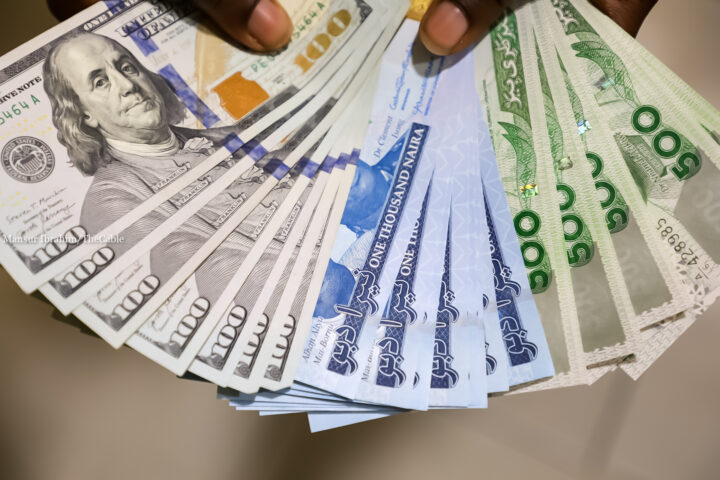
The domestic currency, naira has again stood firm against the United States dollar on Friday across various foreign exchange, FX markets, made possible by improved liquidity, which confirms the World Bank’s recent affirmation of its increasing stability.
At the Nigerian Foreign Exchange Market (NFEM), the local currency closed the week stable at N1,599.54 on Friday, marking the end of the four trading days, according to data from the Central Bank of Nigeria (CBN).
When compared against the previous week’s closing rate of N1,599.79, this represents some improvement
In the black market, (officially known as the parallel market ) the naira also remained steady by closing at N1,605 on Friday, a rate it had consistently maintained since Wednesday.
But the World Bank has acknowledged Naira’s new strength in its latest assessment, by pointing to the improvement made possible through government policies, enhanced foreign exchange liquidity, and reduced volatility in the market.
The World Bank Group stated that, “Policy efforts are aimed toward a unified and market-determined exchange rate to make the naira more competitive,” adding that, “improved foreign exchange liquidity and reduced volatility have led to a more stable naira so far this year.
The global bank’s report also noted that as financial conditions became less restrictive and the benefits of foreign exchange market reforms began to materialise, several African currencies started to regain ground, highlighting that,“For instance, the Kenyan shilling appreciated 20 percent throughout 2024 and has remained relatively stable in 2025”t. It also noted that while currencies like the South African rand, along with others pegged to it, have seen minor fluctuations around 2023 levels, many African countries that faced foreign exchange shortages due to mounting external debt and subdued export revenues witnessed sharp currency depreciations, particularly in 2024.
However, poorly performing currencies over the past year included the South Sudanese pound, the Ethiopian birr, and the Nigerian naira, all recording value reductions of more than 40 percent in 2024.
Inspire of the staggering records, the report noted that, “compared to the preceding two years, the naira has been relatively stable in 2025.”
About The Author







