By Lisa Yusuf lisayusuf75@gmail.com
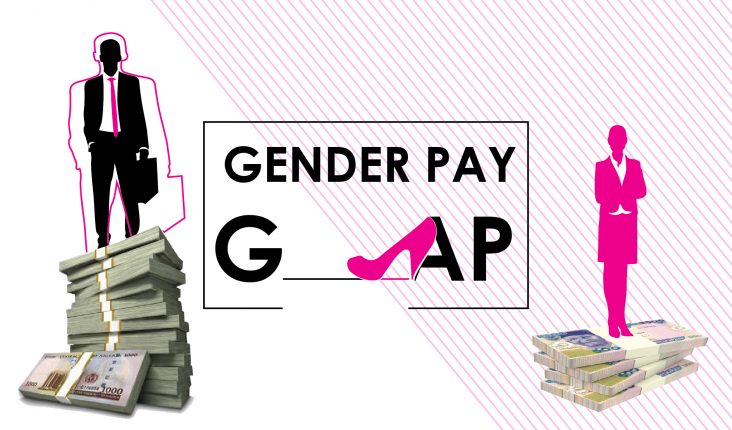
In Nigeria, many women are working just as hard as men — in offices, markets, farms, and homes — but when it comes to pay, they’re still getting the short end of the stick. The gender pay gap, which means men earning more than women for the same work, is still a big issue. It’s something a lot of people don’t talk about enough, but it affects millions of families every day.
Imagine a woman who wakes up at 5 a.m., gets her kids ready for school, and then heads to her job where she puts in just as much effort as her male colleagues — sometimes even more. Yet, at the end of the month, her paycheck is smaller. Not because she did less, but simply because she’s a woman.
Experts say this unfairness isn’t just bad for women — it’s bad for everyone. If women in Nigeria were given equal chances to earn, lead, and grow in their careers, the country’s economy could get a huge boost. Some reports say Nigeria could earn trillions of naira more every year if women were treated equally at work. That money could mean better schools, roads, and hospitals for everyone.
But instead of moving forward, things are actually going backward. In 2024, the government cut most of the money that was supposed to support women in business and work. It’s like telling women, “We know you’re struggling, but we’re not going to help right now.” That sends the wrong message, especially when we know how much women contribute.
There’s also a law that could help fix this — the Gender and Equal Opportunities Bill. It would protect women’s rights and push for equal pay. But it keeps getting blocked because some people think it goes against tradition or religion. Still, many women and men believe it’s time for change.
Thankfully, not everyone is standing still. Some companies in Nigeria are starting to take action, trying to close the pay gap and give more women leadership roles. International groups like the World Bank are also stepping in, offering support for women, especially in rural areas, to start businesses and earn better incomes.
But the truth is, real change has to start at home — in our families, communities, and workplaces. We need to ask ourselves: do we believe women deserve the same chances as men? If the answer is yes, then it’s time to act like it. Because when women rise, Nigeria rises too.
Nigeria’s Gender Pay Ga
About The Author