By Amieyeofori Ibim, Port Harcourt
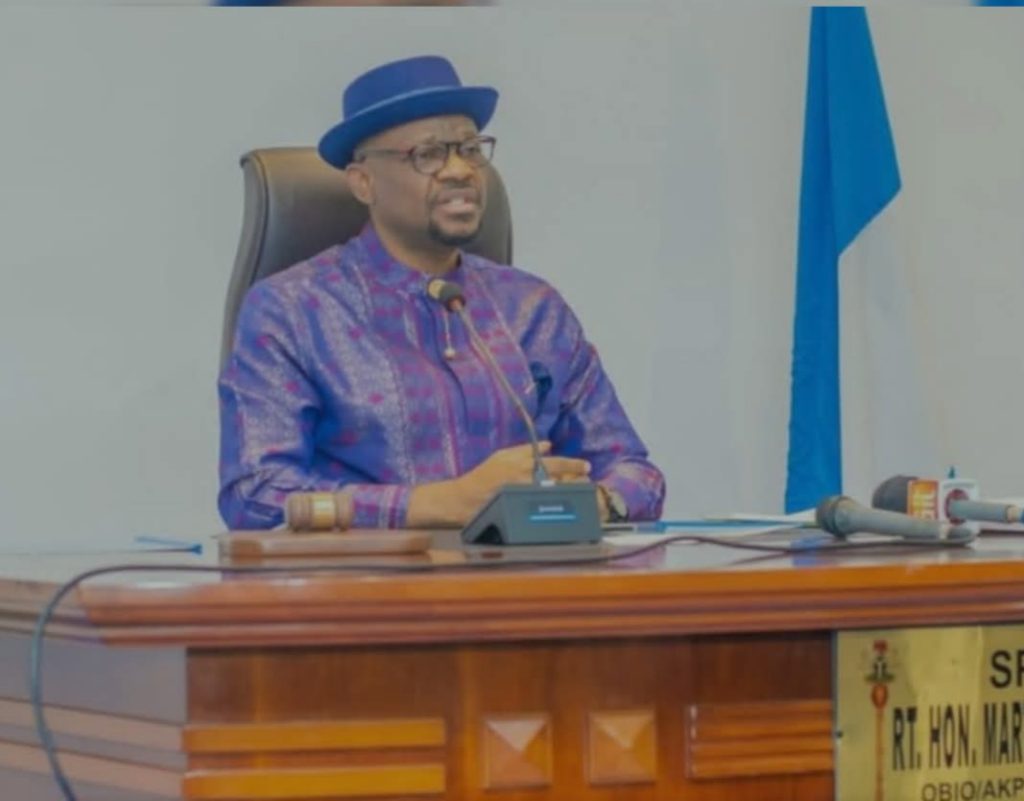
Some stakeholders in Rivers State have faulted the claim by the Speaker of the Rivers State House of Assembly, Martin Amaewhule, that his tenure will be fondly remembered after he leaves office.

A Port Harcourt-based public affairs analyst, Obiwan Akaniwa, described the Speaker’s comment as a matter of personal opinion rather than fact. He noted that it is ultimately the people of Rivers State who will determine whether the Amaewhule-led Assembly was truly independent or merely served political interests.
Akaniwa added that the public can easily discern when a legislative body operates independently. He further suggested that the Speaker’s remarks may have inadvertently cast doubt on the independence of the 8th and 9th Assemblies, in which Amaewhule also served.
In a similar vein, constitutional lawyer Dr. Innocent Ekwu cautioned the Speaker against evoking memories of the hardship Rivers people faced during the six-month state of emergency in the state.
According to Ekwu, the crisis that led to the emergency was not driven by a genuine fight for legislative autonomy but by politicians striving to maintain their political relevance.
The political crisis in Rivers State dates back to October 30, 2023, when Speaker Martin Amaewhule led 27 members of the House of Assembly in an attempt to impeach Governor Siminalayi Fubara, barely three months after he assumed office. The move, widely believed to have been fueled by a rift between the governor and his predecessor, former Governor Nyesom Wike, plunged the state into months of political turmoil.
Recall that the impeachment plot triggered violent clashes around the Assembly complex in Port Harcourt, culminating in a fire that destroyed parts of the legislative building. In the aftermath, the Assembly became divided, with a rival faction loyal to the governor emerging and operating under a different leadership structure.
The ensuing power tussle also led to legal battles, police interventions, and a breakdown of relations between the executive and legislative arms of government. The crisis also prompted widespread calls from civil society, traditional rulers, and religious leaders for peace and political reconciliation in the state.
Although a presidential intervention helped restore a measure of calm, the rift left a lasting mark on the state’s political landscape and raised questions about the true independence of the legislature under Amaewhule’s leadership.
About The Author