By Lisa Yusuf
lisayusuf75@gmail.com
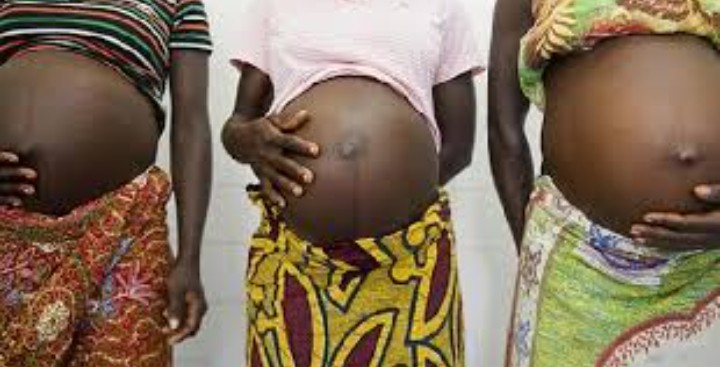
In many communities across Nigeria, young girls are becoming mothers before they even finish secondary school. Teenage pregnancy has quietly become one of the biggest challenges facing our youth today. Behind the numbers are real stories of girls who once had dreams of becoming doctors, lawyers, and teachers, but whose paths were suddenly altered by early motherhood.
It is not uncommon to walk through rural villages or crowded city streets and meet a 16-year-old cradling a baby. For many of these girls, pregnancy was not part of the plan. Some were pushed into early marriages, others became pregnant due to sexual abuse, peer pressure, or simply because they lacked access to the right information and support.
The impact is heartbreaking. A teenage girl who becomes pregnant often has to drop out of school. Her education stops, her future narrows, and she is left to navigate adult responsibilities at a time when she herself still needs guidance. Health-wise, these young mothers face serious risks during childbirth. Their bodies are not fully developed, making them more vulnerable to complications. The babies born to teenage mothers also face a tougher start in life, often with less access to proper care and nutrition.
But this is not just a health issue. It is about lost potential—about bright, talented girls who could have contributed so much to society but were never given the chance.
The good news is that change is possible. In some parts of the country, community leaders are speaking up against child marriage. Health workers are reaching out to teens with friendly, confidential services. Schools are beginning to talk more openly about reproductive health and relationships. NGOs are creating safe spaces where girls can learn, ask questions, and build confidence.
Still, the fight is far from over. Many girls continue to suffer in silence. We need more action, more support, and more honest conversations. Parents must talk to their children early. Teachers must create classrooms where students feel safe to learn about their bodies. Leaders must ensure that policies protecting girls are not just written, but enforced.
Teenage pregnancy is not just a problem for girls—it is a problem for all of us. When we fail to protect and empower our young people, we all lose. But when we invest in their education, their health, and their voices, we build a stronger, more hopeful Nigeria.
The future of this country lies in the hands of its youth. Let’s give every girl the chance to grow up, dream big, and live the life she chooses—not one forced upon her too soon.
About The Author