By Folaranmi Ajayi
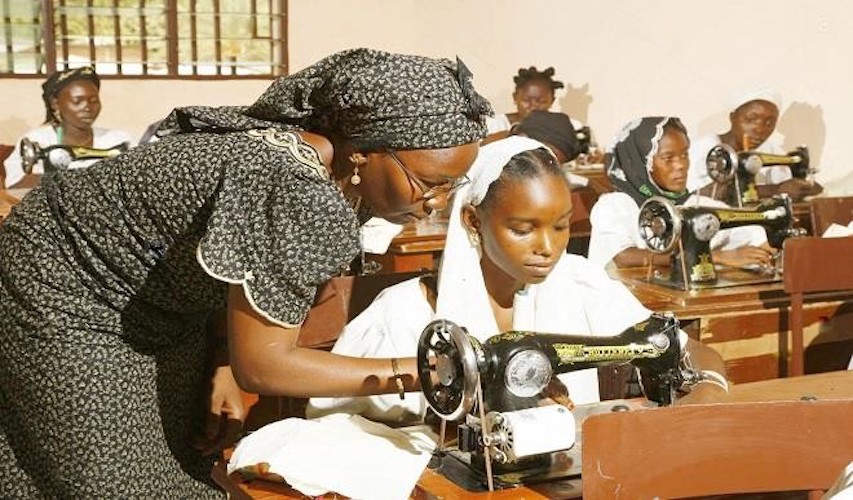
With a desire to reshape the future of education in Nigeria, the Federal Ministry of Education has announced the introduction of vocational training into the basic school curriculum, starting in January 2025. This decision reflects a growing recognition of the need to equip young Nigerians with practical skills alongside their traditional academic studies. Prof. Tahir Mamman, the Minister of Education, unveiled this transformative policy at a stakeholders’ meeting in Abuja, explaining that it is aimed at addressing the country’s educational and economic challenges. Under the new curriculum, students in basic schools will be required to acquire at least two vocational skills before graduation.
This shift is significant, particularly in a country where formal education has long been the primary focus, often at the expense of practical skills development. Vocations such as plumbing, tiling, hairstyling, solar installation, floor works, and others will now be part of the learning experience for Nigerian children. The rationale behind this move is clear: to provide students with the tools to be self-sufficient, productive, and adaptable in an increasingly competitive world. For a nation with a youth unemployment rate that remains alarmingly high, this could be a game-changer.
A Necessary Shift in Educational Priorities
For decades, the Nigerian education system has primarily focused on theoretical knowledge, often producing graduates who are well-versed in academic subjects but lack the practical skills necessary to thrive in the workforce. This imbalance has contributed to the country’s high unemployment rates, as many young people struggle to find jobs or start their own businesses after completing their formal education. By integrating vocational skills training into the curriculum, the government is addressing this gap head-on.
As someone who has advocated for technical education in Nigeria, I see this as a long-overdue change. Technical and vocational education has long been undervalued in Nigeria, often regarded as a less prestigious option compared to formal academic education. However, the reality of the modern job market, both locally and globally, is that practical skills are just as important, if not more so, than academic knowledge. The ability to fix a plumbing system, install solar panels, or style hair are not only valuable life skills but also lucrative career paths in a country where the demand for these services is ever-present.
This new curriculum, based on the National Skills Framework, ensures that students will graduate with both the academic knowledge and the practical skills needed to be self-reliant and employable. By acquiring at least two vocational skills during their basic education, students will have the foundation to either pursue further education or enter the workforce directly. This is particularly important for those who may not have the financial means to continue their education beyond the basic level.
Addressing Unemployment and Economic Inequality
One of the most pressing issues in Nigeria today is youth unemployment. According to the National Bureau of Statistics, the youth unemployment rate stood at 42.5% in the first quarter of 2023, a figure that highlights the need for urgent action. Many young Nigerians are unable to find jobs, not because they lack education, but because they lack the skills that employers are looking for. This is where vocational training can make a real difference.
By incorporating vocations like plumbing, solar installation, and hairstyling into the curriculum, the government is providing young people with tangible, marketable skills that can lead to immediate employment or entrepreneurship. These are not just stop-gap measures but essential trades that are in constant demand. For example, with the push towards renewable energy and the increased use of solar power in Nigeria, the need for skilled solar panel installers is growing rapidly. Similarly, the construction industry relies heavily on skilled plumbers and tilers, and the beauty industry continues to thrive with hairstylists always in demand.
The introduction of these skills into basic education can also help address economic inequality. For too long, vocational education has been viewed as a fallback option for students who could not succeed in traditional academic subjects. This has contributed to a stigma that has devalued technical skills in the eyes of many Nigerians. By making vocational training a core part of the curriculum for all students, the government is sending a clear message that these skills are valuable and essential for the country’s development.
A Step Towards a More Holistic Education
Incorporating vocational skills into the curriculum is not just about preparing students for the workforce; it’s also about giving them a more well-rounded education. The ability to work with one’s hands, solve practical problems, and develop a sense of craftsmanship can boost students’ confidence and creativity. These skills can also enhance students’ understanding of academic subjects. For example, learning about solar installation could deepen students’ understanding of physics and environmental science, while plumbing might help students grasp concepts in mathematics and engineering.
Furthermore, this approach acknowledges that not all students excel in traditional academic subjects. Some students are more inclined towards practical, hands-on learning, and giving them the opportunity to explore vocational skills early on can help them discover their strengths and passions. This can lead to a more engaged and motivated student body, as students see the direct relevance of what they are learning to their future lives.
Challenges and Implementation
While the introduction of vocational skills into the basic school curriculum is a positive development, it is not without challenges. One major concern is the availability of resources to implement the new curriculum effectively. Many public schools in Nigeria are already struggling with a lack of basic infrastructure, teaching materials, and qualified teachers. Introducing vocational training will require significant investment in equipment, workshops, and the training of teachers who can deliver this new content.
Another challenge is ensuring that the vocational skills taught are relevant to the local economy and the needs of the community. While vocations like plumbing and solar installation are universally valuable, other skills may need to be tailored to the specific economic and social context of different regions in Nigeria. For example, in rural areas, skills related to agriculture and food processing might be more relevant, while in urban areas, digital skills could be in higher demand.
The Way Forward
Despite these challenges, the introduction of vocational training into Nigeria’s basic school curriculum represents a significant step forward for the country’s education system. It aligns with global trends towards more skills-based education, where students are prepared not only for academic success but also for real-world challenges. By equipping young people with practical skills, the government is helping to create a more self-reliant, adaptable, and productive workforce.
As an educator, I believe this is the right direction for Nigeria. Education should not be a one-size-fits-all system that only rewards academic achievement. It should also provide opportunities for students to explore their talents, develop practical skills, and prepare for the realities of life after school. By implementing this new curriculum, the government is taking an important step towards creating a more inclusive, equitable, and forward-thinking education system in Nigeria.
Ultimately, the success of this initiative will depend on how well it is implemented. Adequate funding, teacher training, and community involvement will be crucial to its success. But if done right, this new curriculum could transform the lives of millions of young Nigerians, giving them the skills they need to thrive in the 21st-century economy.
Folaranmi Ajayi writes for The Pinnacle Times
About The Author