
In today’s data-driven world, data analysis has become a crucial skill across various industries. From healthcare to finance, businesses and organizations rely on data analysis to make informed decisions, uncover patterns, and drive innovation. But what exactly is data analysis, and how can you get started? This article delves into the fundamentals of data analysis and provides a roadmap for beginners.
Understanding Data Analysis
Data analysis is the process of inspecting, cleaning, transforming, and modeling data to discover useful information, draw conclusions, and support decision-making. It involves several steps, including:
Data Collection: Gathering data from various sources, such as databases, surveys, or web scraping.
Data Cleaning: Ensuring the data is accurate, complete, and free from errors or inconsistencies.
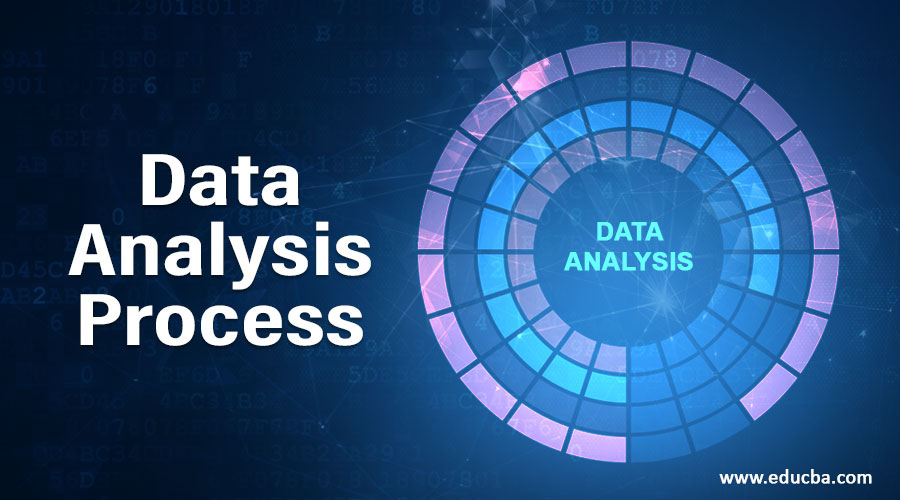
DATA TRANSFORMATION: Converting data into a suitable format or structure for analysis.
Data Modeling: Applying statistical, mathematical, or machine learning models to analyze the data.
Data Visualization: Presenting the results in a visual format, such as charts or graphs, to make the findings understandable and actionable.
Why Is Data Analysis Important?
Data analysis helps organizations in various ways:
Improving Decision-Making: By providing evidence-based insights, data analysis enables better strategic decisions.
Identifying Trends and Patterns: It helps in recognizing trends that can lead to new business opportunities or strategies.
Enhancing Efficiency: Data analysis can uncover inefficiencies in processes, leading to improvements and cost savings.
Predicting Outcomes: Predictive analysis allows organizations to forecast future events and trends, helping in proactive planning.
Getting Started with Data Analysis
If you’re new to data analysis, here are the steps to get started:
1. Learn the Basics
Start by understanding the fundamental concepts of data analysis, including different types of data (qualitative vs. quantitative), basic statistical methods, and key terminology. Online courses, tutorials, and books can provide a solid foundation.
2 . Get Familiar with Tools and Software Several tools and software are commonly used in data analysis. Some popular ones include:_Microsoft Excel_: A versatile tool for basic data analysis and visualization._Python_: A programming language with powerful libraries like Pandas, NumPy, and Matplotlib for data manipulation and visualization._R_: Another programming language specifically designed for statistical analysis.
SQL: A language for managing and querying databases.Tableau: A data visualization tool that makes it easy to create interactive and shareable dashboards.
3. Practice with Real Data
The best way to learn data analysis is by doing. Find datasets online to practice your skills. Websites like Kaggle, UCI Machine Learning Repository, and Data.gov offer a wide range of datasets for fre
4. Work on Projects
Applying your skills to real-world projects will deepen your understanding. Start with simple projects, such as analyzing sales data or customer feedback, and gradually take on more complex tasks.
5. Learn Advanced Techniques
As you become more comfortable with basic data analysis, you can explore more advanced techniques like machine learning, predictive analytics, and big data technologies.
6. Join a Community
Engaging with a community of data enthusiasts can provide support, resources, and opportunities for collaboration. Online forums, local meetups, and professional networks are great places to connect with others in the field.
Conclusion
Data analysis is a powerful tool that can unlock valuable insights and drive impactful decisions. By learning the basics, familiarizing yourself with essential tools, and practicing with real data, you can start your journey into the world of data analysis. Whether you’re looking to advance your career or make more informed decisions, mastering data analysis is a skill that offers numerous benefits in today’s data-centric world.
For further inquiries, contact via: +2348026006289 Email:femiadewumi82@yahoo.com
About The Author








