*Once ostracized from party for calling Trump a coward
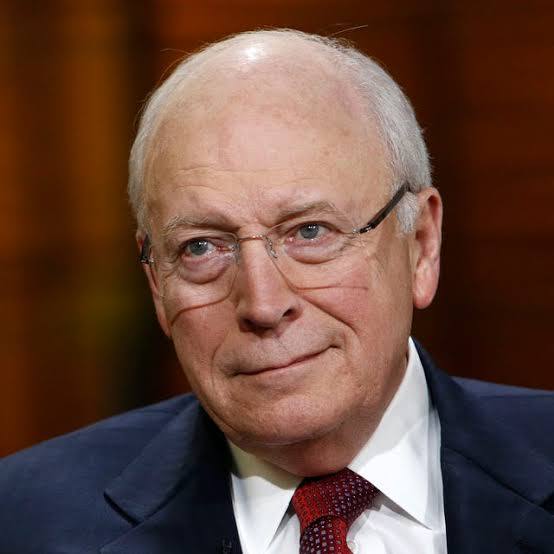
Dick Cheney, described as America’s influential most powerful modern vice president and chief architect of the “war on terror,” who helped lead the country into the ill-fated Iraq war on faulty assumptions, has died.
A statement from his family confirmed his demise. He was 84.
The family told the CNN that, “His beloved wife of 61 years, Lynne, his daughters, Liz and Mary, and other family members were with him as he passed,” adding that he died from complications of pneumonia and cardiac and vascular disease.
Again, the family said of him: “Dick Cheney was a great and good man who taught his children and grandchildren to love our country, and to live lives of courage, honor, love, kindness, and fly fishing.
“We are grateful beyond measure for all Dick Cheney did for our country. And we are blessed beyond measure to have loved and been loved by this noble giant of a man.”
The 46th American Vice President to President George W. Bush for two terms between 2001 and 2009, was for decades a towering and polarizing Washington power player.
Making a profound statement in tribute to his ally, former President Bush described Cheney on Tuesday as a “decent, honorable man.
“History will remember him as among the finest public servants of his generation – a patriot who brought integrity, high intelligence, and seriousness of purpose to every position,” the Octogenarian said.
CNN reports said that in his final years, Cheney, still a hardline conservative, nevertheless became largely ostracized from his party over his intense criticism of President Donald Trump whom he branded a “coward” and the greatest-ever threat to the republic.
Cheney, born January 30,1941 was plagued by cardiovascular disease for most of his adult life, surviving a series of heart attacks, to lead a full, vigorous life and lived many years in retirement after a heart transplant in 2012 that he hailed in a 2014 interview as “the gift of life itself.”
He was, among others White House chief of staff and defense secretary, enjoying a lucrative career in the corporate world when he was charged by George W. Bush with vetting potential vice-presidential nominees. The quest ended with Cheney himself taking the oath of office as a worldly number two to a callow new president who arrived in the Oval Office after a disputed election.
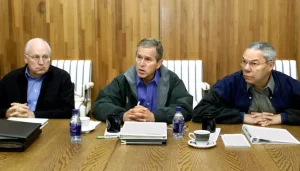
Yet in his final years, Cheney emerged as a fierce critic of a man who had an even more expansive view of the powers of the presidency than he did – Trump. Cheney had supported Trump in 2016 despite his criticism of Bush-Cheney foreign policies and his transformation of the party of Reagan into a populist, nationalist GOP. But the ending of the president’s first term, when his refusal to accept his 2020 election defeat led to the January 6 insurrection, caused Cheney to speak out, in a rare, public manner.
Life after the White House
After leaving office, Cheney returned to private life, penning two memoirs — one about his personal and political career and the other about his struggles with heart disease as well as a book with his daughter, Liz. He became one of the most strident GOP critics of President Barack Obama, who had based his election campaign on promises to end the wars and other changes from what he called failed policies of the Bush-Cheney administration.
About The Author