
By Bamidele Victor thevictorbamidele@gmail.com
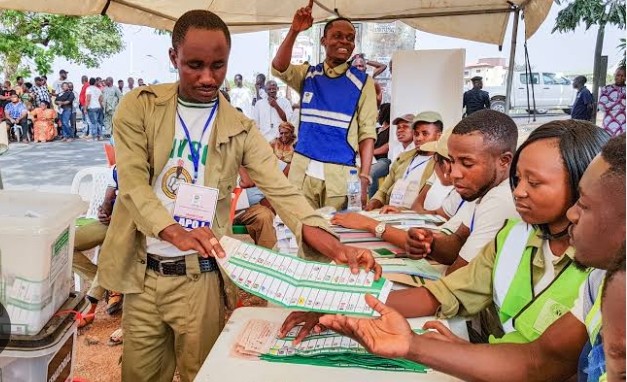
Election is a term that signifies a democratic system where the citizens elect representatives that make decisions on behalf of them. Elections can also be seen as a voting process for voting leaders into power and positions. Elections should be done in a free and fair manner and from a standoff point of personal view. Election security emphasizes the point of protecting the electoral process from threats, such as manipulation of votes, buying of votes, and electoral violence.
Therefore, electoral security is ensuring a free and fair election, and there are bodies established to accomplish this; in Nigeria, we have the Independent
National Electoral Commission
(INEC). Election security is important to ensure that citizens are allowed to elect their leaders without manipulation.
Election security, in essence, is the measures and practices implemented to protect the electoral process from fraud, manipulation, and interference, ensuring that elections are free, fair, and credible.
Voting refers to the process of selecting or electing a representative; it is a common feature of a democratic system. Voting rights refer to the eligibility of a citizen to elect or vote for a leader, thereby performing certain obligations and duties as a citizen of that country. This right exists for citizens to participate in government and policymaking. Voting rights are the legal entitlements that allow individuals to participate in the electoral process by casting their votes in elections. These rights are fundamental to democracy, ensuring that citizens have a voice in the governance of their country. And in Nigeria, the voting right age is eighteen (18), which means that for one to be eligible to vote, the person must attain the age of eighteen.
Election security and voting rights in Nigeria face a lot of challenges that might include election violence, that is, a high death rate and incidental occurrences, and this has resulted in low turnout during elections as citizens are scared of expressing their rights. Poor accountability is also one of the places Nigeria is lacking, as there is a high rate of election rigging and manipulation. Political interference and intimidation is another one, as we see cases where politicians have hold or influence over electoral officials. And lastly, inadequate voter education, as the voters need to be enlightened on their rights and duties.
Some solutions to the above problems may include enhancing voter education, that is, enlightening the voters; another is an increase in accountability and transparency for the elctoral officials, engaging civil officials such as INEC, to transparencyal intimidation.
Coming to a conclusion, election security and voting exist in a democratic setting, as they help in expressing the citizens.
About The Author








